REECEY'S AWAY FAN TRAVEL GUIDES: AC MILAN — HOW TO VISIT THE SAN SIRO
Updated: Jul 23
REECEY'S AWAY FAN TRAVEL GUIDES: AC MILAN — HOW TO VISIT THE SAN SIRO
The San Siro is not simply a stadium. It is a pilgrimage. One of the last true cathedrals of European football, where brutal concrete meets towering ramps, where the acoustics hit like thunder, and where the fan culture feels ancient, tribal, and theatrical all at once. For generations of supporters, walking up those endless external staircases has felt like climbing into something sacred and slightly dangerous. If you are heading to Milan as an away fan, this guide arms you with everything you need: where to go, how to get in, what the day will really feel like, and how to sidestep the classic matchday traps that catch so many visitors off guard.

Stadium Overview — What Away Fans Need to Know
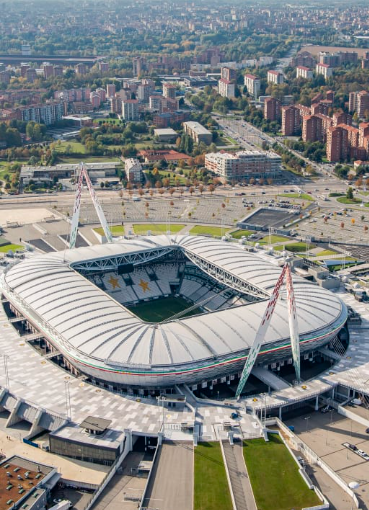
The San Siro, officially known as the Stadio Giuseppe Meazza, sits in the western district of Milan that shares its name. With a capacity hovering around seventy-five thousand, it remains one of Europe’s largest and most imposing venues. It is shared between AC Milan and Inter, a rare arrangement that adds extra layers of intensity on derby days and keeps the atmosphere charged no matter who is playing. The vibe is unmistakably old-school: raw, intense, atmospheric, and utterly iconic. This is not a sleek, sanitised modern bowl. It is a concrete giant built in another era, and it still carries the weight of history in every cracked step and echoing roar.
For away fans, that history translates into a very specific experience. Your section will be high up in the third tier, usually tucked into the blue or green sectors. The climb is steep, the views are dramatic, and the segregation is serious, with barriers, dedicated entrances, and a visible police cordon that keeps things tightly controlled. Expect noise levels that are almost overwhelming. The acoustics here are legendary; when the Curva Sud unleashes, the entire stadium seems to vibrate. Security is strict but generally well organised, and while the stadium is undeniably ageing, that very fact is part of its power. It feels alive in a way many newer arenas never quite manage. This is one of the most impressive grounds in Europe precisely because it refuses to pretend to be anything other than what it is.
Getting to the Stadium
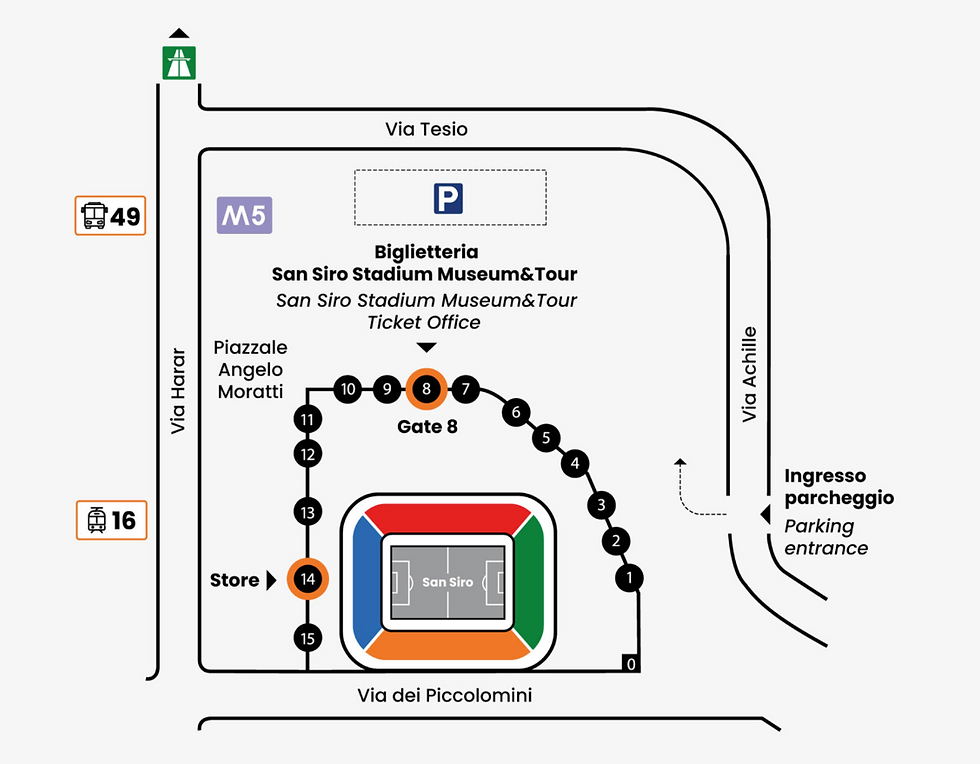
The metro remains the undisputed best option for away fans. Take Line M5, the purple line, and get off at the San Siro Stadio stop. It drops you literally at the gates, fast, reliable, and the safest route when tensions can run high on matchdays. Police often direct away supporters straight from the station, creating a natural flow that keeps everyone moving in the right direction.
Trams offer a slower but undeniably atmospheric alternative. Line 16 winds its way from central Milan and fills up with fans as it nears the ground. You will hear chants building, scarves appearing, and the unmistakable buzz of a football day unfolding around you. It is not the quickest way, but it feels authentic.
Taxis and Ubers work well in the hours before kick-off, but after the final whistle they become a nightmare of gridlock. The roads around the stadium simply cannot cope with the sudden exodus. The smart money stays with the metro. It is quicker both in and out, and you will avoid the worst of the post-match chaos.
Away Section and Matchday Atmosphere
Your seat will be in the third tier, high above the pitch, behind one of the goals. The away end is heavily segregated with its own entrances and barriers, a setup that feels both protective and slightly intimidating. The climb up those ramps is long and steep, so pace yourself and give yourself plenty of time.
Once inside, the atmosphere is something you will never forget. AC Milan’s ultras in the Curva Sud produce some of the most iconic displays in European football. Choreographed banners unfurl across entire stands, flares light up the sky outside the stadium, and the chanting is relentless, rhythmic, and powerful. Whistles rain down every time the away team touches the ball. It is theatrical, passionate, and occasionally intimidating, but that is the San Siro experience. This is football as theatre, raw and unfiltered.
Milan is generally safe for visiting supporters. The city itself feels welcoming, with mixed groups of fans often sharing bars in the centre. At the stadium, however, segregation is strict and the police presence is heavy and professional. As long as you stay within your group and respect the rules, the day passes without incident.
Where Away Fans Drink Before the Match
Milan offers away fans several excellent pre-match zones, each with its own character. The Navigli district stands out as the top choice for most visiting supporters. Canals lined with bars and restaurants create a lively, scenic backdrop perfect for groups. The atmosphere builds naturally as kick-off approaches, and the metro connections back to the stadium are straightforward.
The area around Duomo and the city centre is another strong option, especially if you want to combine some sightseeing with your pre-match rituals. It is tourist-heavy, which means it stays busy and vibrant, with plenty of places to eat and drink before you hop on the metro west.
Staying right in the San Siro neighbourhood itself is not ideal for big away groups. A handful of kiosks and small stands serve the locals, but the area is mostly residential and dominated by home fans. Light drinking is possible, but it lacks the energy and safety in numbers that Navigli or the centre provide.
Among the standout spots, Bar Basso remains an iconic Milanese institution known for its perfectly mixed cocktails and timeless atmosphere. The Old Fox Pub offers a more English-friendly welcome with football screens and a relaxed crowd. Along the Navigli waterfront, the string of bars and terraces deliver lively, scenic, and safe places to soak up the city before heading to the game.
Food and Drink at the Stadium
Inside the San Siro, the food and drink options stay refreshingly straightforward. Expect classic stadium fare: fresh panini, hot dogs, packets of crisps, and cold beer served in controlled measures. Prices sit at typical big-club levels, roughly eight to twelve euros for a combination of food and drink. Queues can move slowly, especially at peak times, so the wisest move is to eat properly before you arrive. The experience is never about gourmet dining. It is about fuelling up quickly so you can focus on the spectacle unfolding around you.
Tickets — How Away Fans Get In
For European nights, away ticket allocations are handled directly through your own club, usually via official ticket offices or trusted partners. Serie A matches work in a similar way, though availability can fluctuate depending on the fixture and any restrictions in place. Independent tickets for home sections are possible but expensive and often require proof of identity. Italian stadiums operate strict entry rules, so bring your passport or a recognised photo ID. The San Siro’s ticket checks are thorough, and turning up without the right documentation can mean missing kick-off.
Where to Stay (Away-Fan Friendly Areas)
Milan rewards away fans who base themselves in neighbourhoods that balance convenience, atmosphere, and nightlife. Navigli stands out for its canalside energy, excellent restaurants, and easy transport links to the stadium. It feels alive late into the night and offers the perfect balance of football and city exploration.
Porta Romana delivers a quieter, classier alternative with superb dining options and a more relaxed pace, ideal if you want to recharge between matches. Brera, with its artistic streets, cafés, and boutiques, sits right in the heart of Milan’s stylish centre and remains highly walkable. The area around Duomo itself is the most tourist-friendly choice, putting you steps from major sights while keeping metro access simple.
Avoid booking accommodation right next to the stadium. The surrounding streets are largely residential and quiet, with limited restaurants or bars once the crowds disperse. You will miss out on the real Milan experience.

What to Do in Milan (Non-Football)
One of the great joys of an away trip to Milan is how easily football blends with everything else the city offers. The Duomo di Milano, that soaring Gothic masterpiece, should be at the top of any list. Step inside and you will understand why it has drawn visitors for centuries. The Galleria Vittorio Emanuele II nearby is a temple to elegant shopping and breathtaking architecture, its glass dome and mosaic floors making it one of the most beautiful shopping arcades in Europe.
The Navigli canals come alive at night with bars and restaurants spilling onto the water’s edge, creating the kind of relaxed, vibrant atmosphere that makes you want to linger. Castello Sforzesco, the historic fortress, offers green space and culture within easy reach, while the Brera district rewards wanderers with art galleries, independent cafés, and boutique-lined streets. Milan is one of those rare European cities where a football weekend can feel like a genuine cultural getaway at the same time.
Real Fan Tips (The Stuff You Actually Need)
Arrive early. The San Siro’s external ramps and security checks take longer than you expect, and the last thing you want is to be rushing up those steep stairs as kick-off nears. Bring your passport or official ID; Italian stadiums enforce these checks rigorously and there are no exceptions. The stadium footprint is enormous, so factor in long walks between the metro and your gate.
Stay together as a group, especially in the immediate vicinity of the ground where home fans will be out in force. The metro after the match will be packed, but it remains the fastest and safest exit route. And be prepared for the height: the away section is genuinely steep. If you have any concerns about vertigo, it is worth knowing in advance so you can brace yourself for the view.

The San Siro Experience versus Other Big Grounds
Compared with most modern stadiums, the San Siro feels more atmospheric, more alive, and more connected to its past. It is steeper and louder than the Bernabéu, more chaotic and passionate than the Allianz Arena, and far more historic than almost any other major venue still standing.
This is not a polished, corporate experience. It is raw, loud, and unforgettable. A genuine bucket-list away day that reminds you why we travel across continents for football in the first place.
When the lights go down and the Curva Sud begins to sing, you will understand exactly why this concrete giant still matters.
Have a Great trip, and as they say in Italy: Ciao!
All the best
Reecey
Reecey is a lifelong Football fan, after watching his first game as a four year old in the 1970s, he has watched literally thousands of matches and travelled extensively across Europe and beyond.
Want to book cheap flights, accommodation and tickets? We have a partnership with Expedia offering you great rates on your bookings, just click here to search and book
Affiliate Disclosure: This post may contain affiliate links. We may earn a commission on qualifying purchases at no extra cost to you.